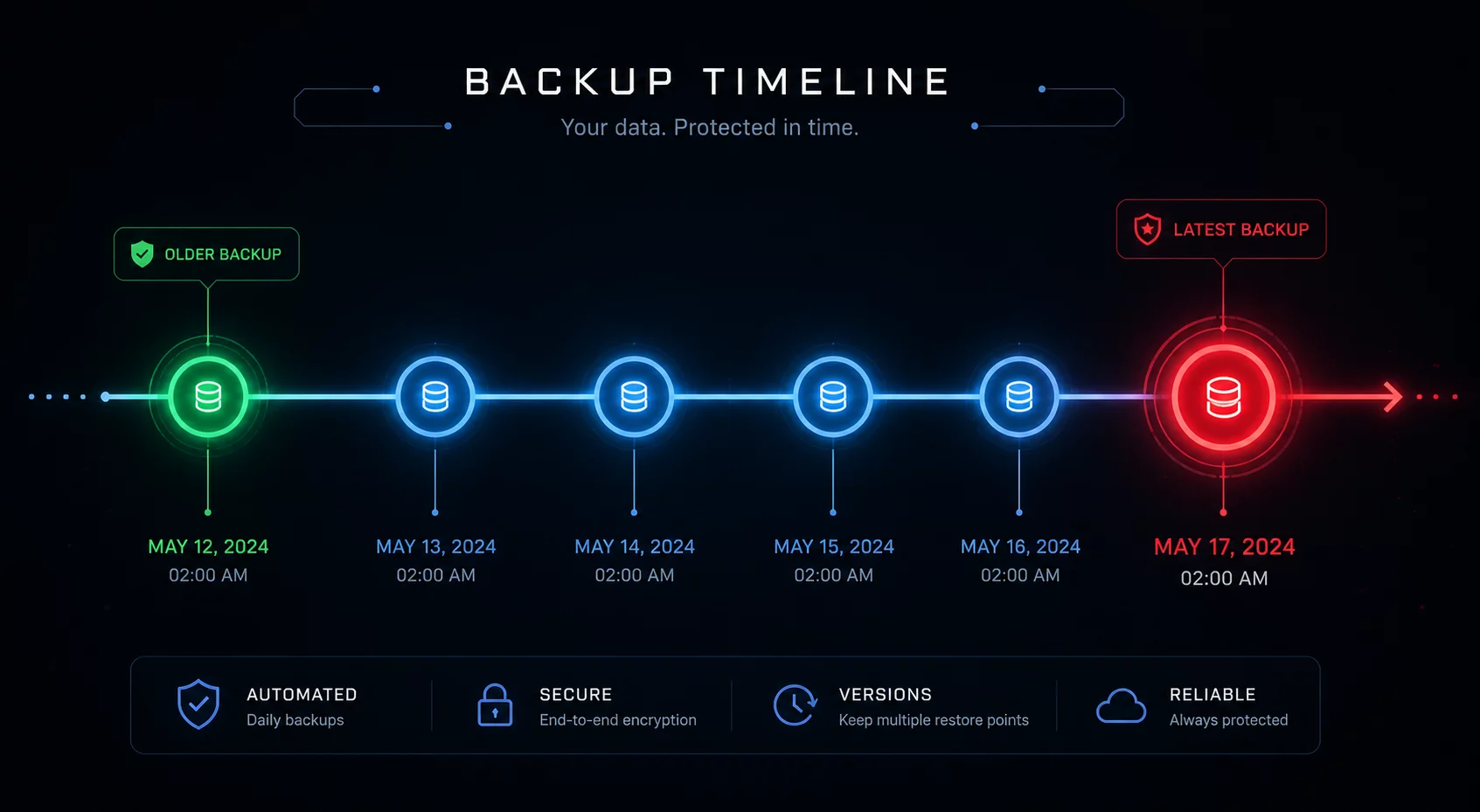
Anatomy of the Incident: Reverting into Immediate Relapse
During a sudden latency storm and data lockup on a mission-critical transactional cluster, the on-call engineering team decided to initiate a fast volume rollback. Storage telemetry displayed green metrics across the snapshot infrastructure. The most recent recovery image sat at only twenty-five minutes old, appearing as the perfect recovery target to minimize Recovery Point Objective (RPO) degradation.
The restored volume initialized smoothly and virtual machines booted without disk faults. However, within two minutes of reopening the application ingress gateway, database worker threads pinned CPU cores at maximum capacity. Log queues flooded with deadlocks identical to those that caused the initial crash. The engineering team had effectively restored a corrupted transaction state, mistaking storage-level snapshot success for true transactional consistency.
Root Failure Analysis
A silent schema alteration job had injected poisoned constraint rows eighty minutes before the crash. The automated snapshot engine obediently duplicated these corrupted table structures, making every subsequent backup image logically non-viable despite flawless storage-level integrity checks.
Diagnostic Discovery and Point-in-Time Isolation
Resolving the outage required discarding the freshest three snapshot generations. The team conducted a forensic audit of write-ahead logs (WAL) and cross-referenced application trace timestamps against batch queue schedules to locate the exact transaction boundary before the poisoned job executed.
Sequence of Incidents
Chronological breakdown of the automated capture cycle and subsequent rollback failures:
- 14:10 UTC: Unindexed bulk reconciliation task inserts poisoned foreign key sequences into production.
- 14:45 UTC: Automated hypervisor snapshot captures the poisoned volume state with green exit status.
- 15:20 UTC: Primary cluster deadlocks; rollback to 14:45 image repeats the failure cycle immediately.
Corrective Infrastructure Steps
Point-in-Time Recovery command deployed to reconstruct storage state up to safe transaction boundaries:
wal-restore --cluster=prod-db-01 --target-time="2026-06-15 14:08:30Z" --target-action=promote --validate-constraints
Post-Restore Validation Criteria
Essential operational checks enforced before directing production ingress back to restored nodes:
- Execute full relational integrity validations across parent-child key schemas.
- Verify absence of lingering orphaned locks and uncommitted batch queue threads.
- Perform synthetic API transaction tests in an isolated sandbox VLAN prior to live cutover.
Structural Takeaways and Operational Redesign
The incident highlighted a dangerous discrepancy between storage snapshot velocity and application layer sanity. Modern business continuity mandates decoupling block-level replica timestamps from rollback decision trees. True recovery readiness requires transactional checkpoints, continuous log stream auditing, and pre-cutover validation scripts embedded directly into emergency playbooks.
Technical Discussion
Peer review and sysadmin engineering remarks
No comments yet. Be the first to share a diagnostic review or incident observation.
Submit Technical Response
Share post-mortem observations or query specific diagnostic parameters.