 High Risk
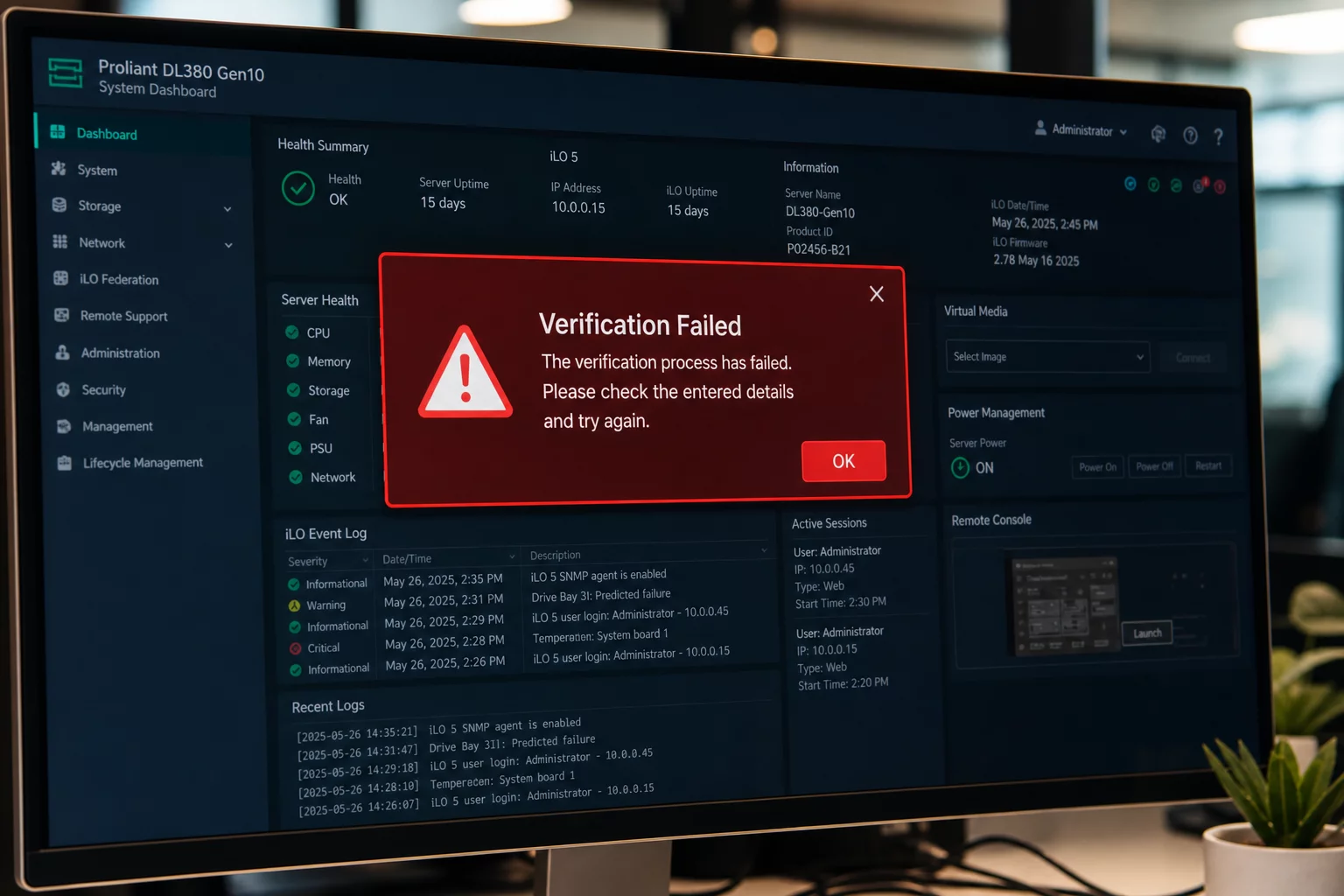
No Backup Verification
Relying purely on successful write jobs without routine validation creates a false safety net when corruption occurs silently.
Explore practical recovery cases about priorities, incomplete assumptions, missing dependencies, verification gaps, and post-incident handoffs.

Database cluster restored before authentication gateway caused 90m extended downtime.
Examining real-world disaster recovery cases provides direct evidence of how structured protocols eliminate downtime. Discover how our systematic approach transforms standard restore planning examples into reliable production resilience.
At 02:14 UTC, a cascading storage split-brain corrupted metadata across a distributed database cluster. The primary node failed without an orderly checkpoint, triggering incomplete automated snapshot restores on an unverified network segment.
[02:14:08] CRITICAL: Quorum lost on node-db-04 (Heartbeat timeout)
[02:14:19] WARN: Fallback to snapshot point: 2026-08-23T22:00:00Z
[02:15:02] ERROR: WAL sync failed. Shard metadata mismatch found
[02:15:30] STATUS: Transaction queue locked. 18,400 sessions haltedApplying rigorous restore planning examples, the sysadmin squad halted blind snapshot recovery, isolated the corrupted nodes, and executed an ordered state machine reconstitution.
[02:22:11] EXEC: Isolating VLAN-88 and binding virtual IPs to sandbox
[02:26:40] EXEC: Replaying WAL segment #9104 to master node checkpoint
[02:38:15] CHECK: Validating SHA-256 consistency hash across 14 shards
[02:44:50] SUCCESS: Cluster topology validated. Readiness check passedThe engagement proved that documented disaster recovery cases provide tangible architectural blueprints, turning uncoordinated panic into predictable, timed execution.
CLUSTER_HEALTH: OPTIMAL (14/14 NODES ONLINE)
ACTIVE_CONNECTIONS: 22,480 (100% HEALTHY)
REPLICATION_LAG: 0.002ms
DATA_LOSS_COUNT: 0 TRANSACTIONS
COMPLIANCE_STATUS: SLA_COMPLIANT_APPROVEDExplore the platforms, utilities, and diagnostic frameworks analyzed across our post-incident case studies to structure an objective recovery decision review when critical infrastructure fails.
Used for snapshot management, synthetic full validation, and immutable write repositories. Every configuration is evaluated to prevent silent corruption from contaminating clean standby volumes.
Hypervisor orchestration engines analyzed in multi-tier crash scenarios. We study hypervisor failover behavior, SCSI controller conflicts, and isolated sandboxing during bare-metal and virtual rebuilds.
Enterprise file systems and block storage arrays inspected for split-brain resolution, replication lag, and snapshot timeline verification prior to mounting production database partitions.
Directory services where logical restoration errors frequently trigger USN rollback or tombstone synchronization issues, addressed through non-authoritative restore strategies.
Virtual switches and routing firewalls configured during emergency failovers to ensure restored workloads do not broadcast to active production subnets before health validation.
Log aggregation and metrics pipelines that support every recovery decision review by tracking disk I/O bottlenecks, service latency spikes, and unauthorized credential spikes during rebuilds.
One-line definitions of critical disaster recovery, infrastructure state, and operational concepts for systems administrators and engineers.
The maximum acceptable duration of system downtime from incident declaration to full operational restoration.
The maximum tolerable age of data lost during an interruption, dictating required backup frequency.
A complete system restoration onto unconfigured physical hardware without pre-installed operating systems.
A secondary backup copy completely isolated from active networks to prevent tampering or ransomware encryption.
The database maintenance procedure of freeing up disk space by purging committed transaction log records.
A cluster failure state where severed communication leads two nodes to independently assume primary write authority.
The time interval a directory service retains a deleted object marker to ensure multi-master replication sync.
A snapshot references existing blocks on parent storage, while a true backup is an independent duplicate on separate media.
The minimum voting majority of active nodes required to maintain valid cluster operation and prevent partition conflict.
Analyzing high-impact logical missteps, sequence failures, and verification lapses that derail IT restoration plans.
High RiskRelying purely on successful write jobs without routine validation creates a false safety net when corruption occurs silently.
 High Risk
Powering on databases and application nodes out of sequence causes service crashes and unrecoverable sync states.
 High Risk
Domain service corruptions will freeze authentication pipelines, preventing authenticated server access during emergency triage.
 High Risk
Isolating restored instances into misconfigured subnets triggers broadcast conflicts and silent packet drops across routing tables.
Explore how system architecture, restore priority hierarchies, dependency ordering, and ownership validation determine recovery success or failure during real-world outages.
 Priority Cases
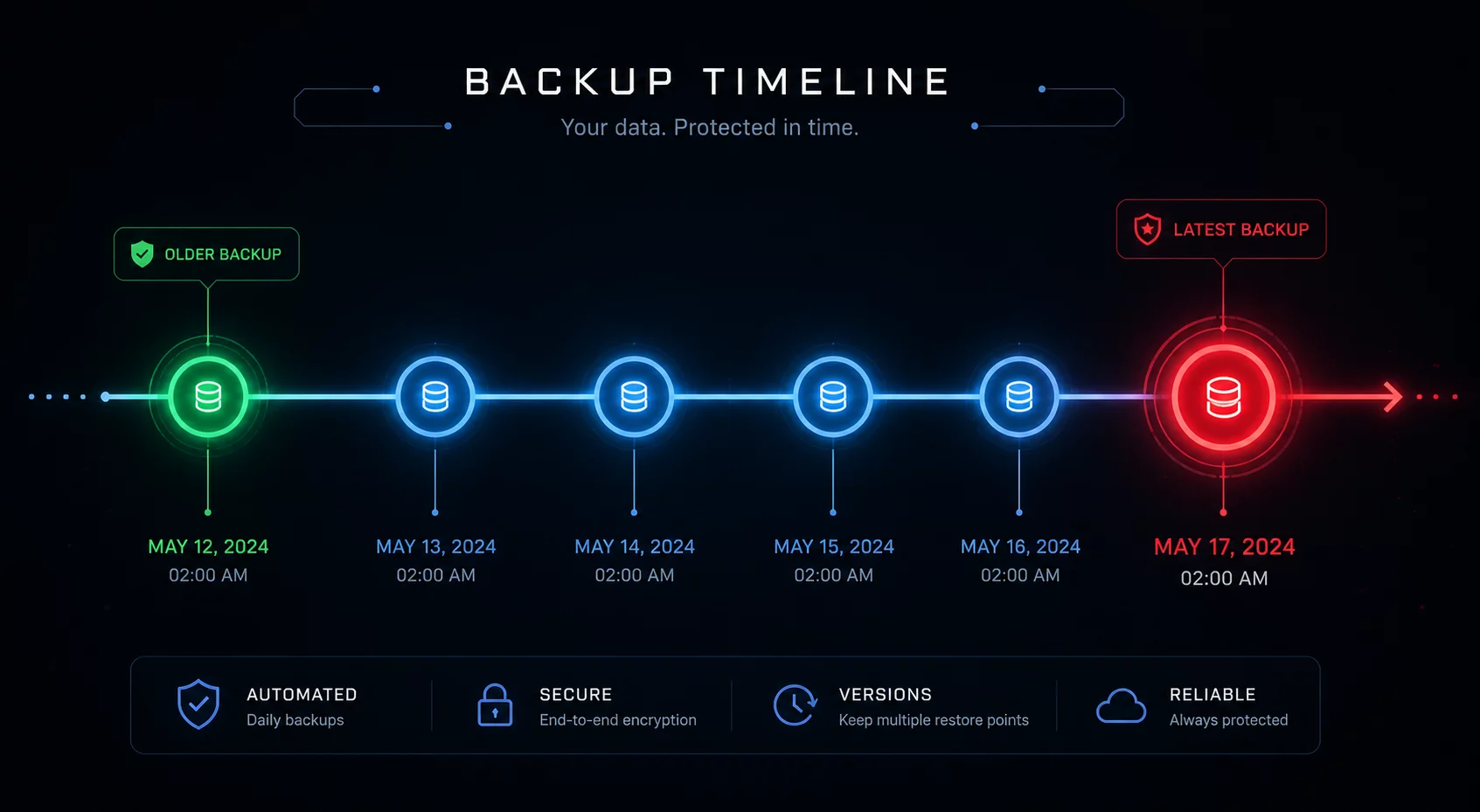
Restoring the most recent snapshot after a silent corruption corrupted database indexes across clustered nodes. Discover why state synchronization and consistency checks take precedence over timestamp proximity.
 Dependency Cases
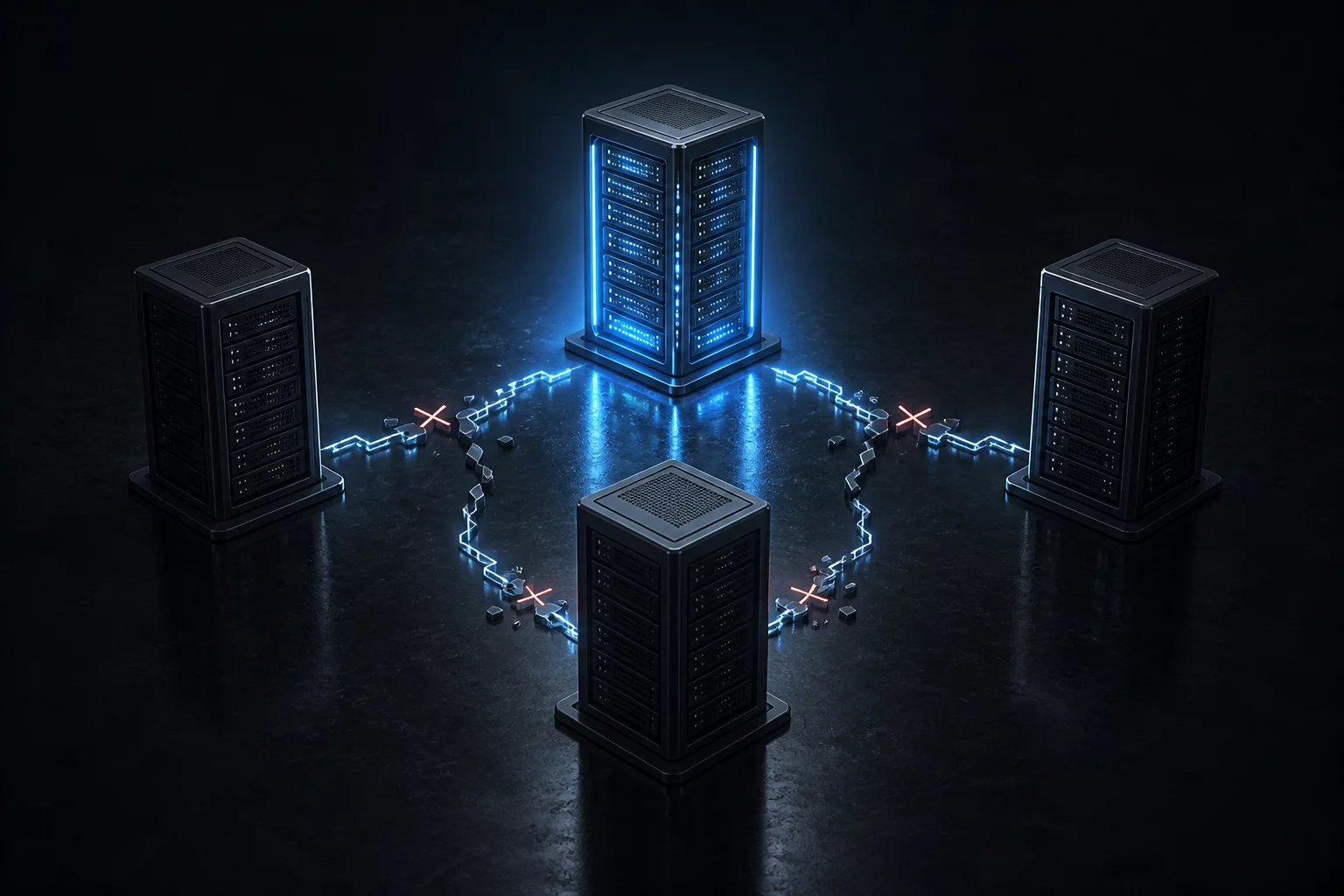
An application host was fully restored but stalled indefinitely because internal token authentication and background message brokers were not mapped in the boot pipeline sequence.
 Verification Cases
The hypervisor signaled successful block restore with green metrics, yet no end-to-end synthetic health check was executed before declaring the incident closed to stakeholders.
 Ownership Cases
Engineers spent four hours in analysis paralysis awaiting managerial sign-off on database rollback thresholds because emergency authority delegation was left undefined.